What Families Look for Beyond the Résumé
Experience opens the door. Reliability, communication, warmth, professionalism and discretion help create the right match.
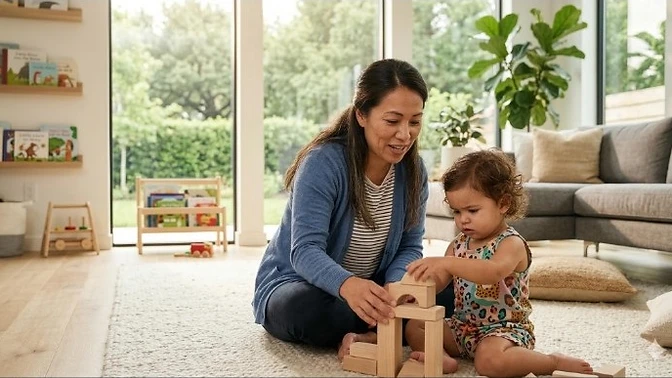
A résumé opens the door, but it is rarely what closes the match. Families looking for someone to trust with their home and the people within it are often reading between the lines of experience for something less easily listed.
Many families look first for reliability, the quiet certainty that you will be where you said you would be, prepared and on time, again and again. They often value communication just as much: the ability to share how the day went, to raise a concern early, and to listen well when a family explains what matters to them.
Warmth matters in this work more than in most. The people being cared for remember how a morning began, how a difficult moment was met, and whether the person beside them felt present. Professionalism and warmth are not opposites; many of the strongest caregivers hold both at once.
Discretion is quietly essential. A household is a private world, and the person within it becomes a keeper of its routines, its challenges and its small joys. A family may not say this out loud, but they notice when a candidate speaks about past homes with respect and care.
Families also read for fit, and every household is different. Does your experience mirror their needs? Does your availability match their hours? Do your preferences around live-in or live-out, responsibilities and boundaries align with the life they are trying to build? Honesty about these things, early and plainly, is a kindness to everyone.
None of this replaces experience. It simply surrounds it. The candidates who stand out are those who can speak to their years of work with both competence and humility, who arrive prepared, ask thoughtful questions, and treat an interview as the beginning of a real conversation rather than a performance. You do not need to be perfect; you simply need to be genuine, and let a family see how you would care for what matters most to them.
When you present yourself this way, you are not only showing what you have done. You are showing who you would be in someone's home, and that is often what a family is truly trying to understand.

